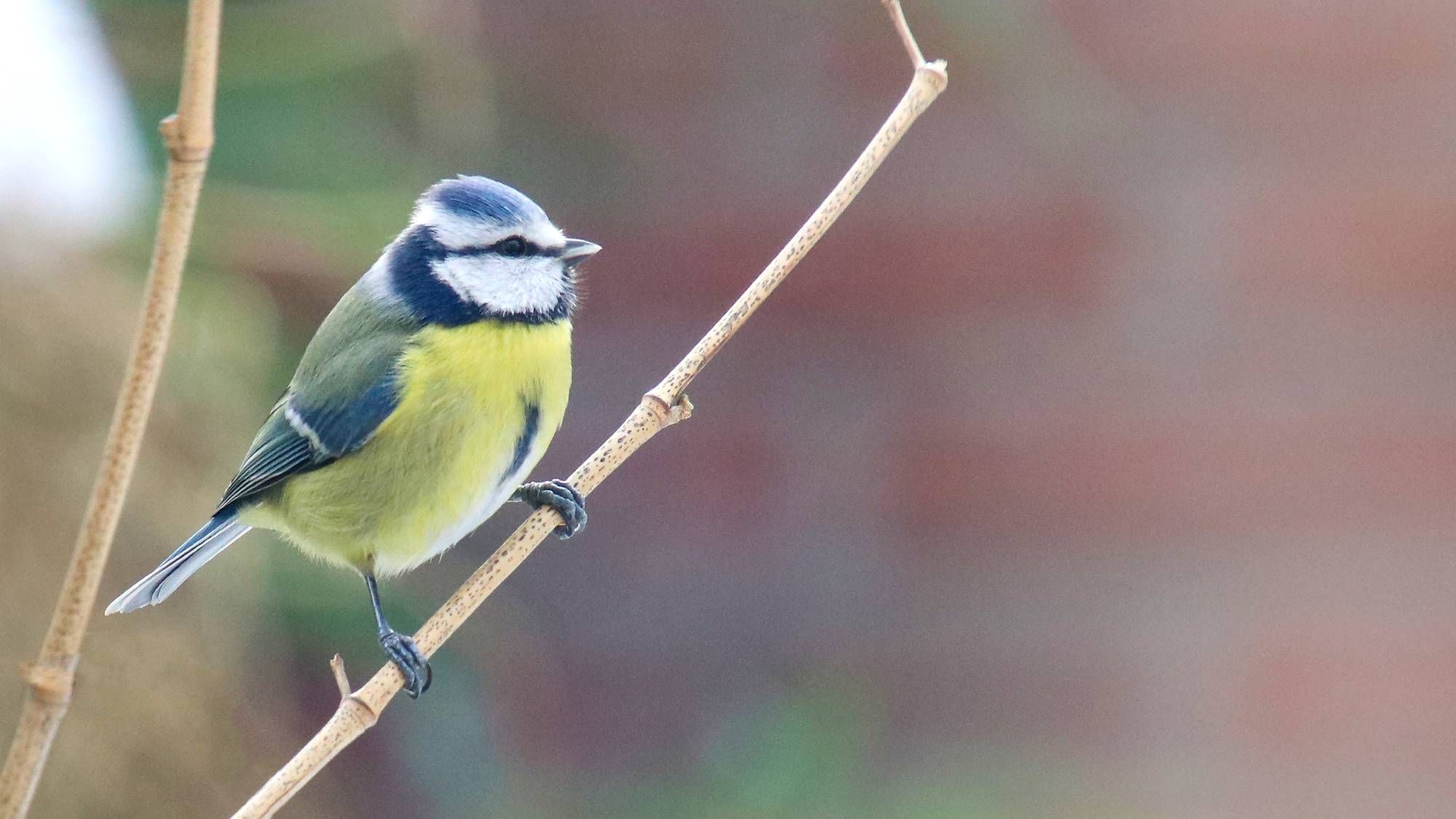
February looks like the proper time to tidy up the backyard. These overgrown hydrangeas and sprawling viburnums look messy after winter. The impulse is to chop the whole lot again exhausting and begin recent. For birds although, that method strips away important nesting websites and protecting cowl they will want come spring.
Dense shrubs present extra than simply visible curiosity. They’re vital habitat for cardinals, robins, wrens, and different birds that nest in mid-level vegetation. Pruning fundamentals train eradicating useless wooden and shaping crops, however stagger pruning goes additional – it balances backyard upkeep with wildlife wants by spreading main cuts throughout a number of years. Minimize good and birds nonetheless get the shelter they want whereas gardeners hold crops underneath management.
Why Aggressive Pruning Hurts Chicken Populations
Reducing shrubs to the bottom removes the inside department construction birds depend on for nest placement. That tangled mess of crossing branches inside a mature hydrangea or viburnum? That is prime actual property for cup nests. The dense cover overhead offers cowl from hawks and dangerous climate, whereas leaves and twigs supply pure camouflage.
If these spots are exhausting to return by, birds will both skip nesting that 12 months, crowd into remaining appropriate websites, or nest in marginal spots the place predation danger runs a lot greater. The cascade impact hits native hen populations exhausting, particularly species that favor particular shrub heights and densities.
What Makes for a Good Chicken Habitat?

(Picture credit score: Stephan Morris / Shutterstock)
Birds search for dense branching, ideally with thorns or spines that assist hold predators away. Hydrangeas, viburnums, roses, hawthorns, and dense evergreens like yews and hollies all present this. The shrub must be mature sufficient to have developed that good inside tangle – younger crops with sparse branching simply do not lower it.
Peak issues too. Most songbirds nest between three and eight ft (1-2.5m) off the bottom. Shrubs in that vary get used closely. The shrub’s location impacts use as properly – plantings close to woodland edges, alongside fence traces, or tucked in backyard corners the place the shrub backs onto different vegetation get way more nesting exercise than remoted specimens sitting out in the midst of a garden.
How Stagger Pruning Works

(Picture credit score: CherriesJD / Getty Pictures)
Stagger pruning means taking out one third of the oldest, thickest stems every year for 3 seasons as a substitute of leveling the entire shrub in a single go. Begin with the canes that clearly look drained – they’re thicker, with tough bark and sparse leaves. Minimize these at floor degree and depart the youthful development alone.
The following 12 months, take one other third of what’s left from the older wooden. By 12 months three, the shrub’s refreshed, however you by no means stripped away the dense framework birds use. New shoots push up from the bottom every season to exchange what you eliminated, so the plant doesn’t go naked. Birds nonetheless have loads of cowl to work with whereas that recent development fills in behind it.
Vegetation that Want Stagger Pruning

(Picture credit score: Christina Richards / Shutterstock)
Dense shrubs with complicated inside branching present the nesting construction most songbirds want – these crops ought to be renewed step by step over three years to keep up hen habitat whereas nonetheless controlling development. The secret’s preserving that tangled mess of crossing branches inside the cover the place birds tuck nests away from predators and climate. These bypass loppers from Amazon make chopping thick outdated canes at floor degree method simpler than forcing pruners by means of wooden that is too thick.
Hydrangeas (Previous Wooden Bloomers)
Viburnums
Roses

(Picture credit score: Gerdzhikov / Shutterstock)
Different Dense Shrubs
When to Stagger Prune for Birds
Late winter earlier than nesting season begins is right. Most birds start nest constructing in March or April relying on area. Prune in February, and wounds have time to callus over earlier than leaves emerge. The remaining two-thirds of the shrub offers rapid cowl as soon as birds arrive.
By no means prune throughout nesting season – sometimes March by means of August in most areas. Verify shrubs rigorously earlier than chopping. Energetic nests with eggs or chicks imply leaving the shrub fully alone till younger birds fledge. Even abandoned-looking nests is perhaps in use – many species re-nest a number of instances per season in the identical location.

(Picture credit score: M Gucci / Getty Pictures)
Making the Cuts
Minimize stems at floor degree utilizing sharp loppers or a pruning noticed for thick canes. Do not depart stubs – they rot and invite illness. Choose the oldest, least productive stems for removing. These are sometimes within the middle of the shrub the place they have been shaded out by youthful development anyway.
Take away crossing or rubbing branches when you’re in there, however hold total pruning average. The aim is gradual renewal, not aggressive reshaping. These folding pruning saws from Amazon lower by means of thick viburnum and rose canes with out binding the best way smaller saws do.
Vegetation You Can Arduous Prune

(Picture credit score: Ganna Zelinska / Getty Pictures)
Not all shrubs function nesting habitat, and a few really carry out higher with aggressive annual pruning – these may be lower to the bottom with out affecting native hen populations since they both do not present the construction birds want or regrow too shortly to be dependable nest websites.
Clean and Panicle Hydrangeas
- Clean hydrangeas (‘Annabelle’)
- Panicle hydrangeas (‘Limelight’, ‘Little Lime’)
Quick-Rising Shrubs
- Spireas (bridal wreath, Japanese spirea)
- Potentillas
- Butterfly bushes
- Russian sage

(Picture credit score: Krotnakro / Shutterstock)
Perennials and Grasses
- Decorative grasses
- Coneflowers
- Black-eyed Susans
- Asters
- Sedum
Lengthy-Time period Advantages of Stagger Pruning

(Picture credit score: Kritchai7752 / Shutterstock)
Shrubs renewed step by step by means of stagger pruning keep more healthy than these lower to the bottom repeatedly. Root programs do not get shocked by shedding all high development without delay. Flowering stays constant since some stems are at all times at peak manufacturing age. The backyard maintains construction and privateness year-round as a substitute of trying naked after exhausting pruning.
Chicken populations profit most although. Constant nest website availability means greater reproductive success. Native breeding pairs return to the identical shrubs 12 months after 12 months. Backyard hen range will increase when a number of species discover appropriate nesting habitat. The additional effort of spreading cuts throughout three years as a substitute of 1 pays off in a livelier, extra productive backyard the place birds and crops each thrive collectively.
Supply hyperlink
🔥 Trending Offers You Might Like
Searching for nice offers? Discover our newest discounted merchandise: