

I’ve learn over 1,000 nonfiction books in my life, and these 33 are probably the most highly effective of all of them. I can actually say they modified my life, who’s to say they gained’t change yours too?
Don’t simply take my phrase for it although. Learn on for my abstract of all 33 books and see for your self how your subsequent learn would possibly simply change your life.
1. Atomic Habits by James Clear
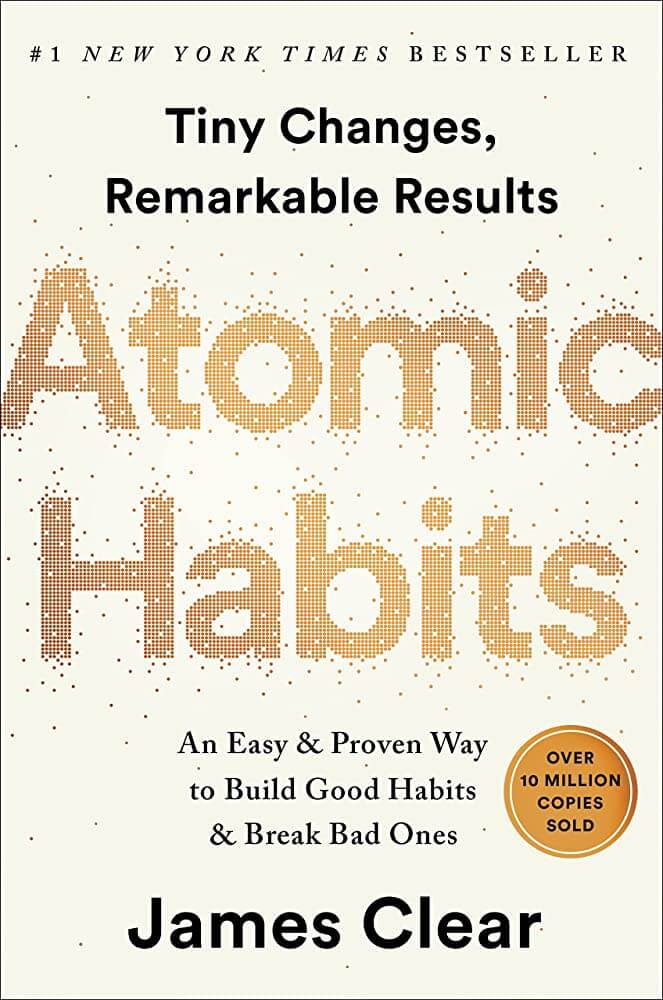 This may be probably the most sensible guide ever written on easy behavioral change.
Atomic Habits has three massive takeaways. The primary is that small way of life adjustments compound over a protracted time period. So that you don’t need to attempt to be a totally totally different individual tomorrow, you need to be 1% higher 100 days in a row.
The second massive takeaway might be summarized with the road, “We don’t rise to the extent of our targets, however we fall to the extent of our techniques.” The concept right here is that it’s not about ambition or effort, it’s about creating an setting that makes behavioral change inevitable.
And eventually, the third takeaway is that habits don’t stick except we alter our identities. Meaning it’s not ample to easily change our habits, however we even have to vary how we see ourselves and the way we relate to others.
2. The Expectation Impact by David Robson
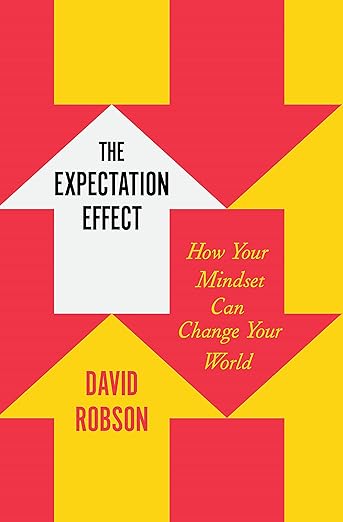 Science reveals our expectations can drastically have an effect on how we understand actuality.
Individuals who imagine they’re able to doing one thing are much more more likely to do it. Individuals who imagine they are going to heal from an harm or sickness accomplish that faster and extra persistently. Individuals who anticipate treatment or remedy to work have a better likelihood of that treatment or remedy working.
Mainly, the thoughts is a extremely fucking highly effective factor and it impacts our our bodies and relationships in ways in which we don’t absolutely perceive. So that you would possibly as properly undertake mindsets and beliefs which can be most probably that can assist you.
That’s leveraging the expectation impact.
3. The Upside of Stress by Kelly McGonigal, Ph.D.
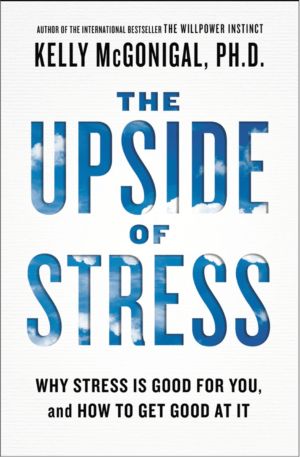 What if I instructed you that stress isn’t all the time a nasty factor, that it might even be a good factor?
Nicely, that’s the argument that Kelly McGonigal makes on this essential guide.
Stress has a nasty popularity. We’re instructed it can kill us, traumatize us, make us depressing and unhappy and cry into our ice cream cone.
That could be true for some, however whether or not or not stress is definitely unhealthy for us is dependent upon what precisely is stressing us. Is it a significant and essential problem that’s irritating? Is the stress creating worth for you on the earth?
In any case, stress exists for a cause. It mobilizes us, each bodily and mentally. It will get us paying consideration, and when directed in a significant pursuit, it may possibly assist us really feel a way of accomplishment.
So that you shouldn’t essentially keep away from stress, you must choose the stress that you simply’re blissful to have.
4. So Good They Can’t Ignore You by Cal Newport
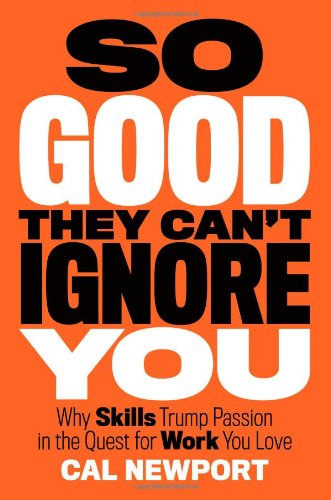 Typical knowledge tells us to comply with our ardour. Decide a job you’re keen on, and also you’ll by no means work a day in your life, proper?
Flawed, says Cal Newport. The analysis says that we bought it backwards. We don’t do nice work at issues we love, we have a tendency to like issues that we grow to be excellent at.
So as a substitute of making an attempt to comply with your ardour on a regular basis, which let’s be sincere, is a wishy-washy idea that many individuals battle to even outline, Newport argues that we should always as a substitute be specializing in creating our expertise.
As a result of you’ll be able to grow to be keen about something, you simply should be good at it first.
5. The Innovator’s Dilemma by Clayton M. Christensen
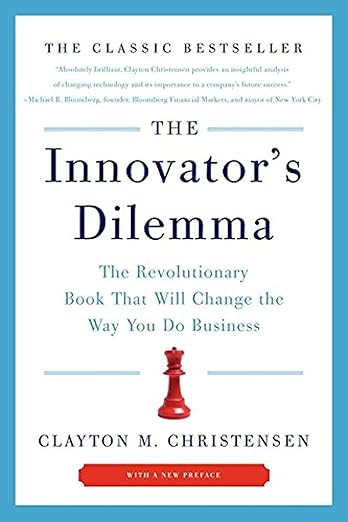 Do you know this was Steve Jobs’ favourite guide?
The Innovator’s Dilemma is a phenomenon that happens in enterprise when the most important and most profitable firms miss the obvious alternatives as a result of they’re so invested in older applied sciences, they’ll’t justify shifting on.
The proper instance of that is Kodak. Do you know that Kodak truly experimented with digital cameras again in 1975? However they by no means pursued the know-how as a result of that they had constructed up billions of {dollars} round analog movie.
Thirty years later, Kodak went out of enterprise. Why? Digital cameras.
The Innovator’s Dilemma reveals up not solely in enterprise, but in addition in life.
Typically, after we miss big alternatives, it’s not as a result of we weren’t on the lookout for them or weren’t conscious of them, it’s as a result of we’re benefiting a lot from our outdated tendencies that we let the life-changing alternative move us by.
6. Affect by Robert B. Cialdini, Ph.D.
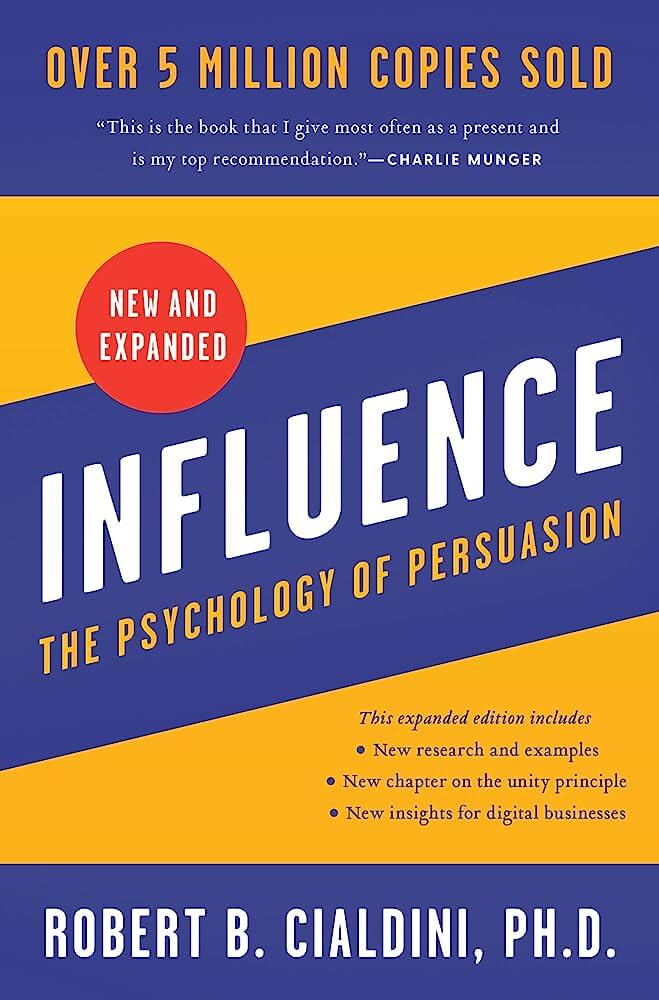 It seems that the human thoughts has a variety of triggers that trigger us to be simply influenced by others and their concepts.
Robert Cialdini boils these triggers down into eight classes, and in his seminal guide, Affect, explains how they’re typically utilized in gross sales and advertising and marketing, but in addition by folks round us to get what they need from us.
Drawing from examples from non secular cults, professors and faculties, lecturers, advertising and marketing specialists and ads, this guide will change the way you see your personal decision-making.
It’s a must-read for anybody focused on psychology, however particularly, in the event you’re in gross sales and advertising and marketing.
7. The 4-Hour Workweek by Tim Ferriss
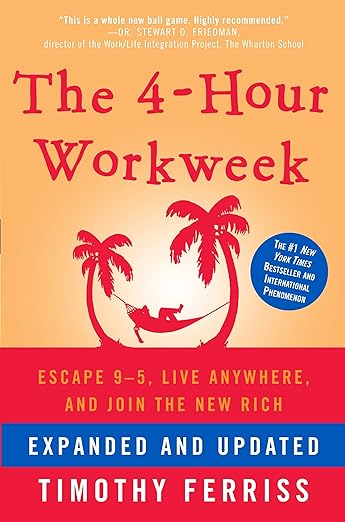 That is the guide that modified an entire era of entrepreneurs.
Ferriss’ massive perception is within the nature of how one defines wealth. As a substitute of changing into rich by accumulating costly possessions, Ferriss defines wealth when it comes to freedom and time and the power to have enriching experiences.
With this new definition, the basic association of working for forty years after which retiring doesn’t actually make a variety of sense.
By leveraging know-how, automation, and dealing anyplace on the earth, Ferriss describes how one can grow to be a part of the brand new wealthy or dwell a rich life at a younger age on a modest amount of cash.
Get wealthy, bitch.
8. Dopamine Nation by Anna Lembke, M.D.
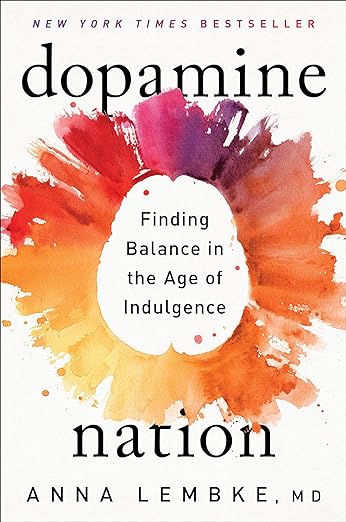 Dopamine is a neurotransmitter that permits us to really feel a way of reward or accomplishment. It’s essential in motivation and emotions of life satisfaction, however like something, an excessive amount of dopamine may very well be a nasty factor.
In her guide Dopamine Nation, Anna Lembke makes the argument that trendy society is overstimulating us and flooding our brains with extra dopamine than we have been meant to deal with.
The result’s a glut of addictive, compulsive overindulgent behaviors throughout the developed world.
Mainly, we’re all getting fats and sassy.
So how will we fight this? By way of abstention, intentional problem, and being extra conscious of our environments.
In case you really feel like your dopamine ranges are by means of the fucking roof, then this guide might be helpful.
9. The Denial of Loss of life by Ernest Becker
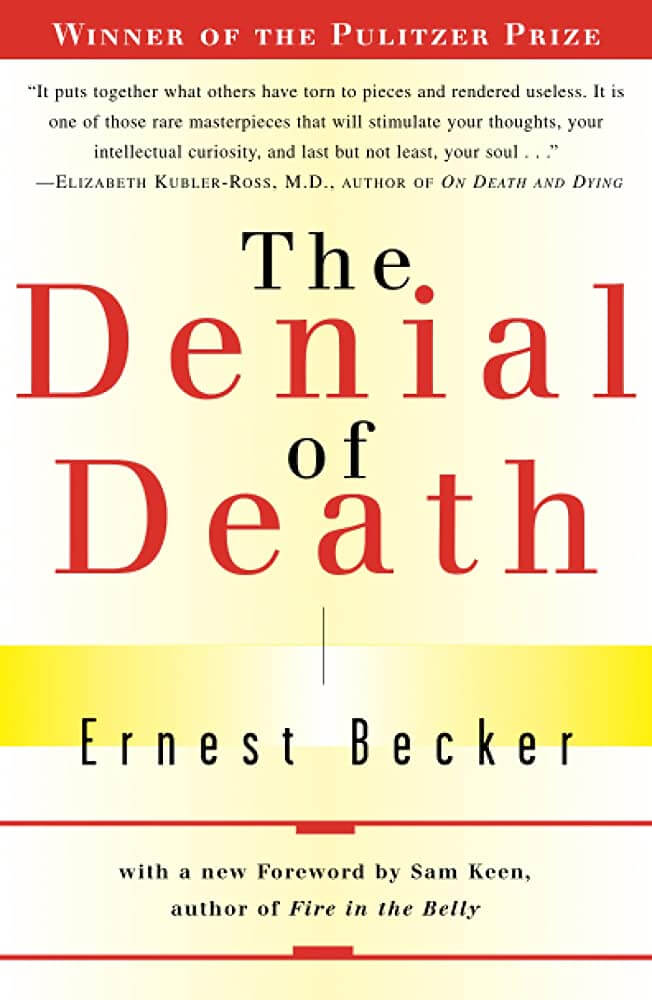 Ernest Becker was an obscure educational who wrote this guide on his deathbed as he was dying of most cancers.
Bringing collectively influences from existential philosophy, Freudian psychology, and Zen Buddhism, Becker argued that loss of life is life’s final motivator, that what provides us a way of that means and objective in our lives is an try and create one thing that can outlive us after we die.
Becker referred to as these our immortality tasks and argued that they have been the basis of not solely all the things good in our lives, but in addition all the things evil.
10. The Paradox of Selection by Barry Schwartz
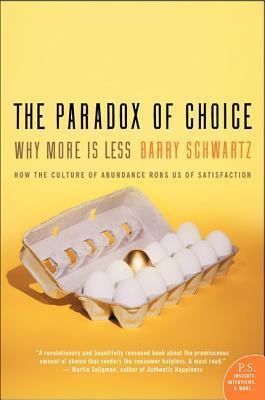 Easy piece of science, large implications.
The Paradox of Selection tells us that when supplied extra choices, we are usually much less happy with no matter we select.
So if I give you to decide on between two sweet bars, you’ll choose your favourite and be happy. But when I ask you to decide on between ten sweet bars, you’ll have extra choices, however analysis finds you’ll be much less happy along with your alternative.
In a world that’s consistently unlocking extra choices and abundance for us all, this has vast implications from relationship to profession decisions, to hobbies, to even selecting the place to dwell.
Watch out for the paradox of alternative.
11. Wealthy Dad Poor Dad by Robert T. Kiyosaki
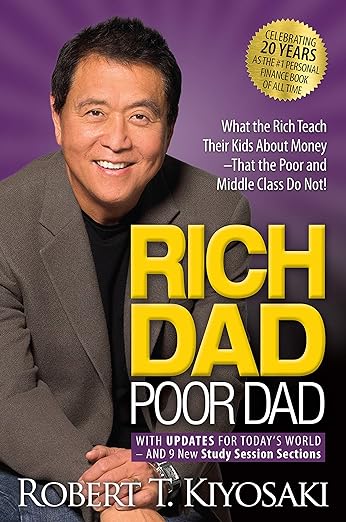 It is a easy guide that sums up probably the most basic distinction in mindset between individuals who get wealthy and individuals who keep poor.
Poor folks see cash as one thing to be spent. They attempt to discover and get as a lot as attainable after which use it up till it’s gone. Wealthy folks, alternatively, see cash as one thing to speculate. As soon as it’s spent, they search for return.
This easy distinction in mindset can clarify all types of habits—from what sort of automobile folks drive to what sort of garments they put on, how a lot they save for retirement, what number of bank cards they use.
A small guide that may be learn in a day, however a easy concept that needs to be internalized by everybody.
Enjoyable truth: the creator is broke.
12. Man’s Seek for That means by Viktor E. Frankl
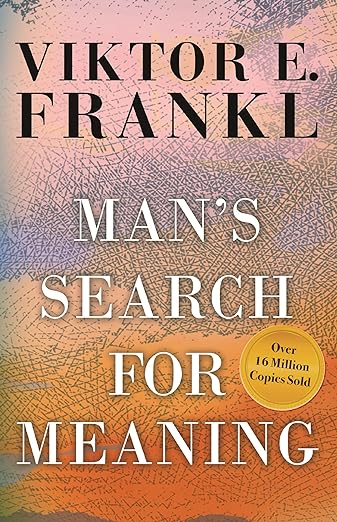 Viktor Frankl was an Austrian psychiatrist who was captured by the Nazis and despatched to Auschwitz.
Spending the subsequent three years in focus camps, he one way or the other managed to outlive. And whereas there, he made an commentary, each easy and profound, that the prisoners who had a cause to outlive the focus camps, tended to be those who did.
He stated that he bought to the purpose the place he might predict which prisoner would die subsequent based mostly on which of them had stopped having hope for the long run.
Frankl summed up his conclusion with Nietzsche’s well-known maxim, “He who has a why to dwell can bear virtually any how.”
Viktor’s unimaginable realization is that whereas struggling might typically be inevitable, so long as now we have some larger objective to grant our struggling that means, we can’t solely survive it however develop from it.
13. Tips on how to Win Pals & Affect Folks by Dale Carnegie
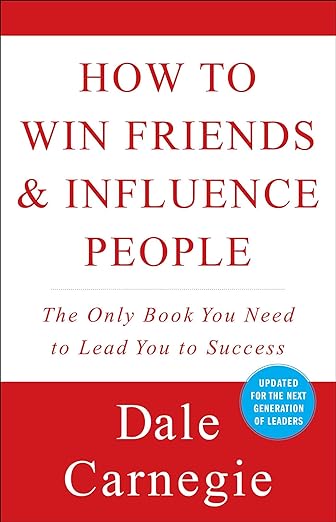 A self-help basic that teaches the utterly counterintuitive fact that while you concentrate on different folks, surprising, they are going to such as you extra.
Sadly, our default strategy to most relationships is to talk as a substitute of hear, to attempt to really feel seen as a substitute of making an attempt to see the opposite individual.
Carnegie’s guide is an easy but profound clarification that the way in which to attach with others is to easily open your self as much as being linked with them, after which shut the fuck up and hear higher.
To be sincere, I really feel like this needs to be required studying for each excessive schooler on the earth, however fuck, no one ever requested me.
14. Begin With Why by Simon Sinek
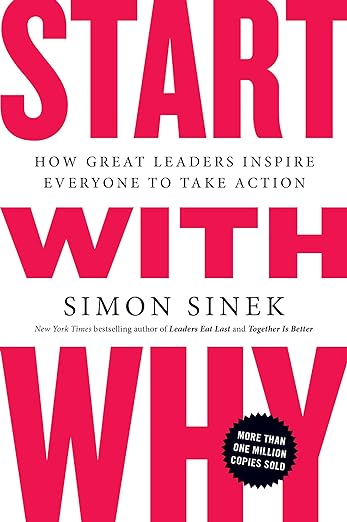 Begin With Why makes a easy however essential level: when selecting what to pursue, begin by asking why. That’s, ask your self, what are you optimizing for and what’s the main motivation or objective?
After we align our actions with some larger objective, we grow to be extra motivated and simpler and extra resilient to setbacks.
That is notably essential inside organizations. Sinek argues that it’s in the end our “why” that retains everybody aligned and on the identical web page when shit goes south.
15. The Coddling of the American Thoughts by Greg Lukianoff and Jonathan Haidt
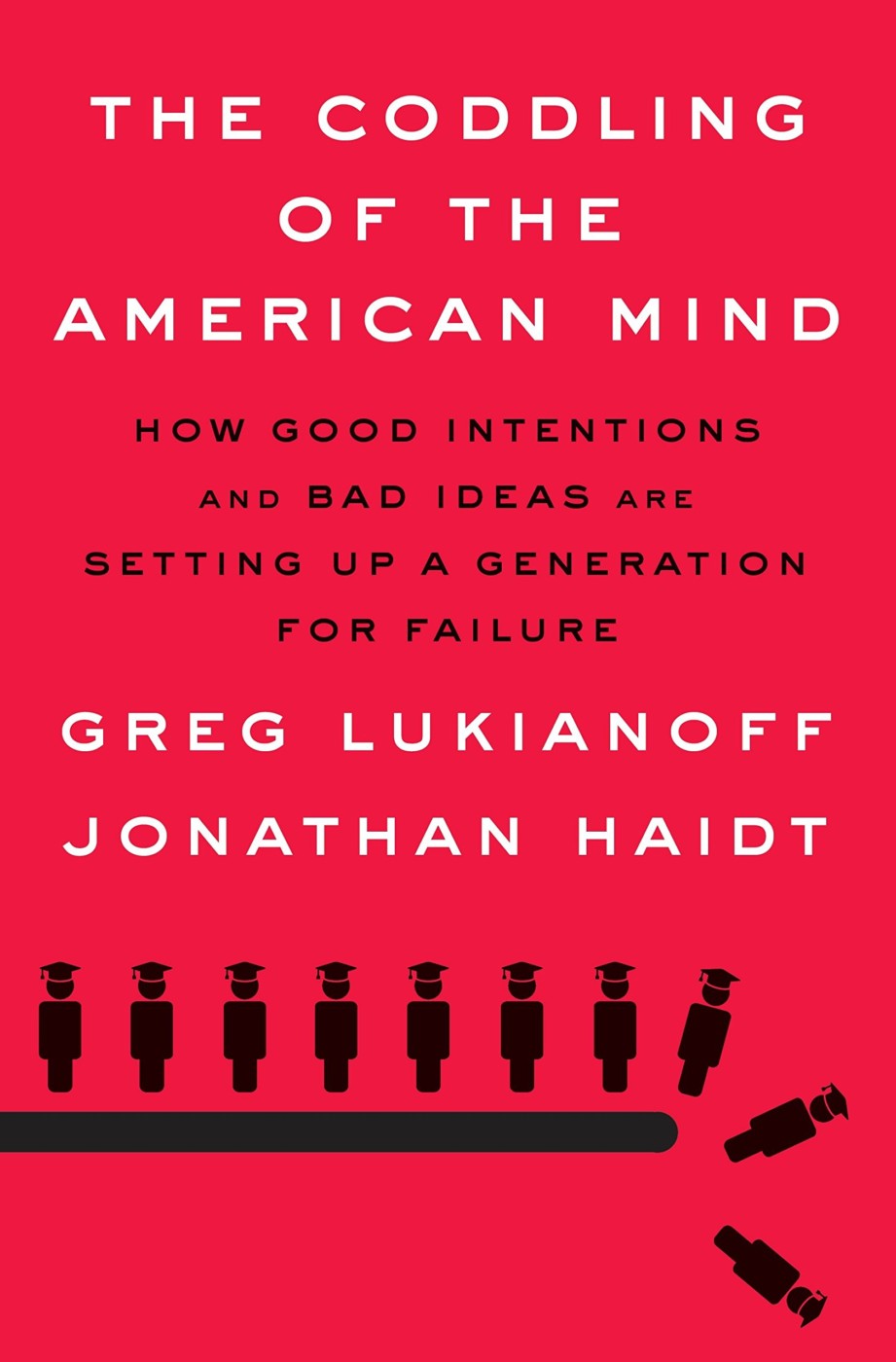 Are folks mentally weaker than they was once? Have we grow to be extra emotionally fragile?
Nicely, the authors of this unimaginable guide argue sure, and so they again it up with a shitload of information.
Sadly, it appears within the final fifteen years the general public has grow to be extra emotionally fragile, and younger folks specifically are much less tolerant of any type of discomfort or inconvenience that comes their manner.
The authors have a variety of data-driven explanations for this. The primary one is the rise of helicopter parenting—the belief that folks want to observe their youngsters and defend them in any respect prices.
The second is the philosophy of safety-ism—the assumption that something that may trigger ache or struggling is in the end dangerous in the long term and might even be traumatic.
The third clarification is lack of play. The previous few generations of children have been so overloaded with schoolwork and extracurricular actions making an attempt to get into school that they haven’t had time to be youngsters, and it seems that the majority psychological and emotional improvement of youngsters occurs whereas they’re enjoying.
And eventually, there’s everyone’s favourite perpetrator, social media. I shouldn’t have to clarify that one.
16. The Revolt of the Public by Martin Gurri
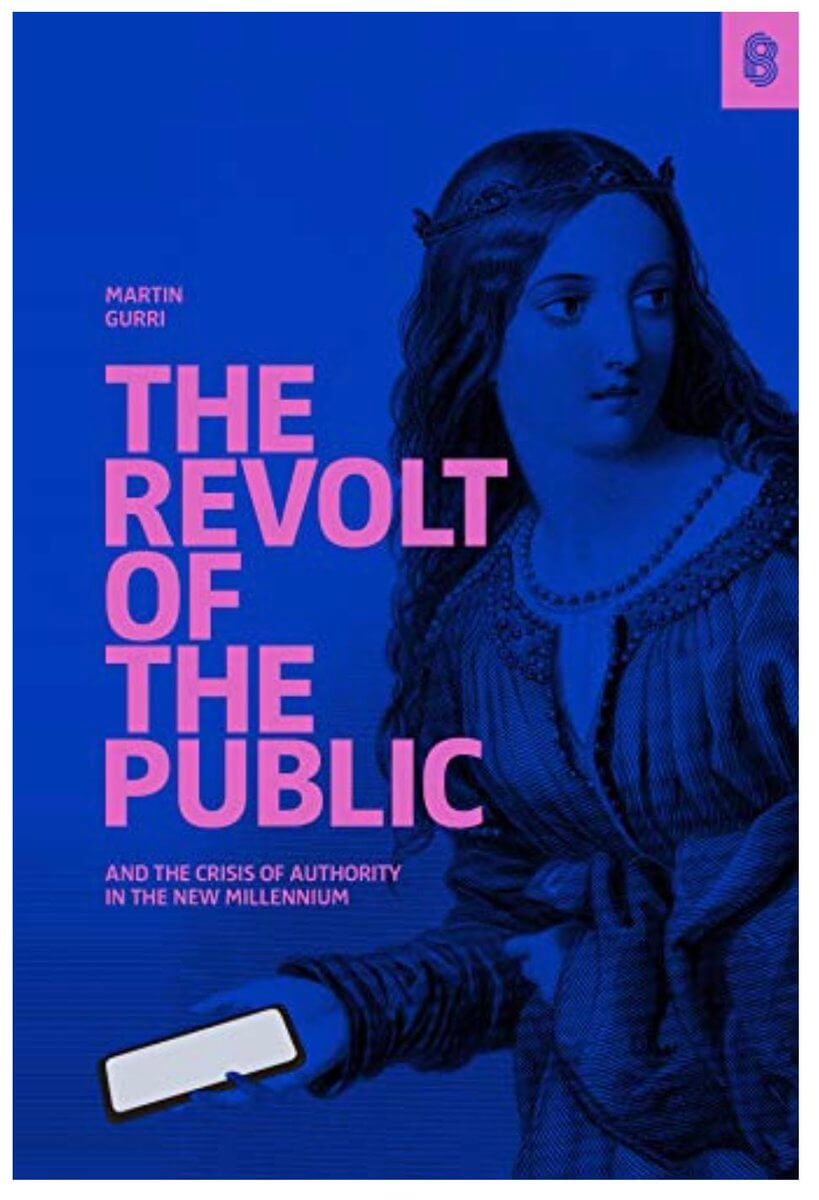 Martin Gurri was an analyst on the CIA when he observed one thing was unsuitable in 2011. It began with widescale pro-democracy demonstrations within the Center East, however quickly unfold to populist uprisings internationally with demonstrations in Europe and the Americas.
The appearance of social media and cellphones had made performative political activism attainable in a manner that had by no means existed beforehand.
Earlier than, organizing a protest required a ton of assets, a large community, advertising and marketing, and publicity. However right now, with the assistance of a smartphone and a viral publish, advert hoc political protests may very well be began on the drop of a hat.
These new performative protests have been markedly totally different from earlier ones. They have been unorganized, and whereas all of them advocated for the downfall of the present institution, they didn’t actually suggest something as an alternative.
Gurri calls this new orientation the periphery versus the middle. It’s now not about proper versus left. It’s about institution versus anti-establishment.
And sadly, we’re all caught within the center.
17. Getting the Love You Need by Harville Hendrix, Ph.D.
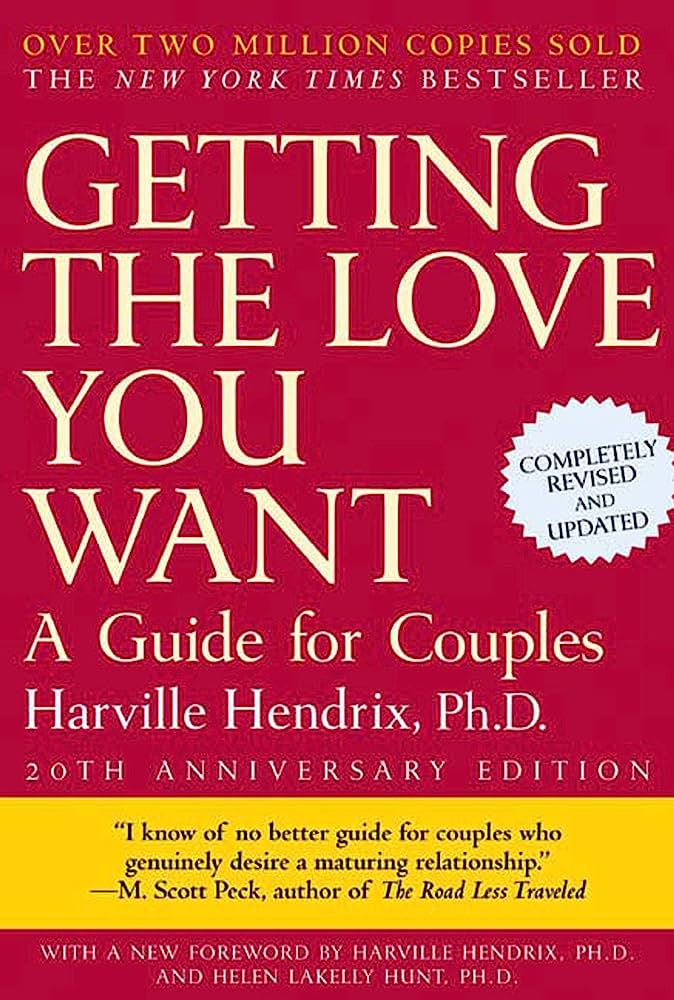 Our dad and mom—irrespective of how good and well-intentioned—all the time fuck one thing up.
They make errors, they’ve their very own points and quirks—these then imprint themselves on our brains as our love map. Mainly, the way in which we unconsciously perceive affection and intimacy.
As adults, we unconsciously search out companions that match into our love maps, thus recreating the failures and errors made by our dad and mom. These failures and errors then re-trigger outdated psychological wounds and make {our relationships} extremely emotionally turbulent.
The way in which out of this mess is to discover a accomplice who can be conscious of this course of, and you may work collectively to vary each of your behaviors, and basically right for the fuckups made by one another’s dad and mom.
On this sense, the facility of relationships is that they’ll actually heal your emotional wounds. This, in a nutshell, is the aim of romantic love.
18. The Psychology of Cash by Morgan Housel
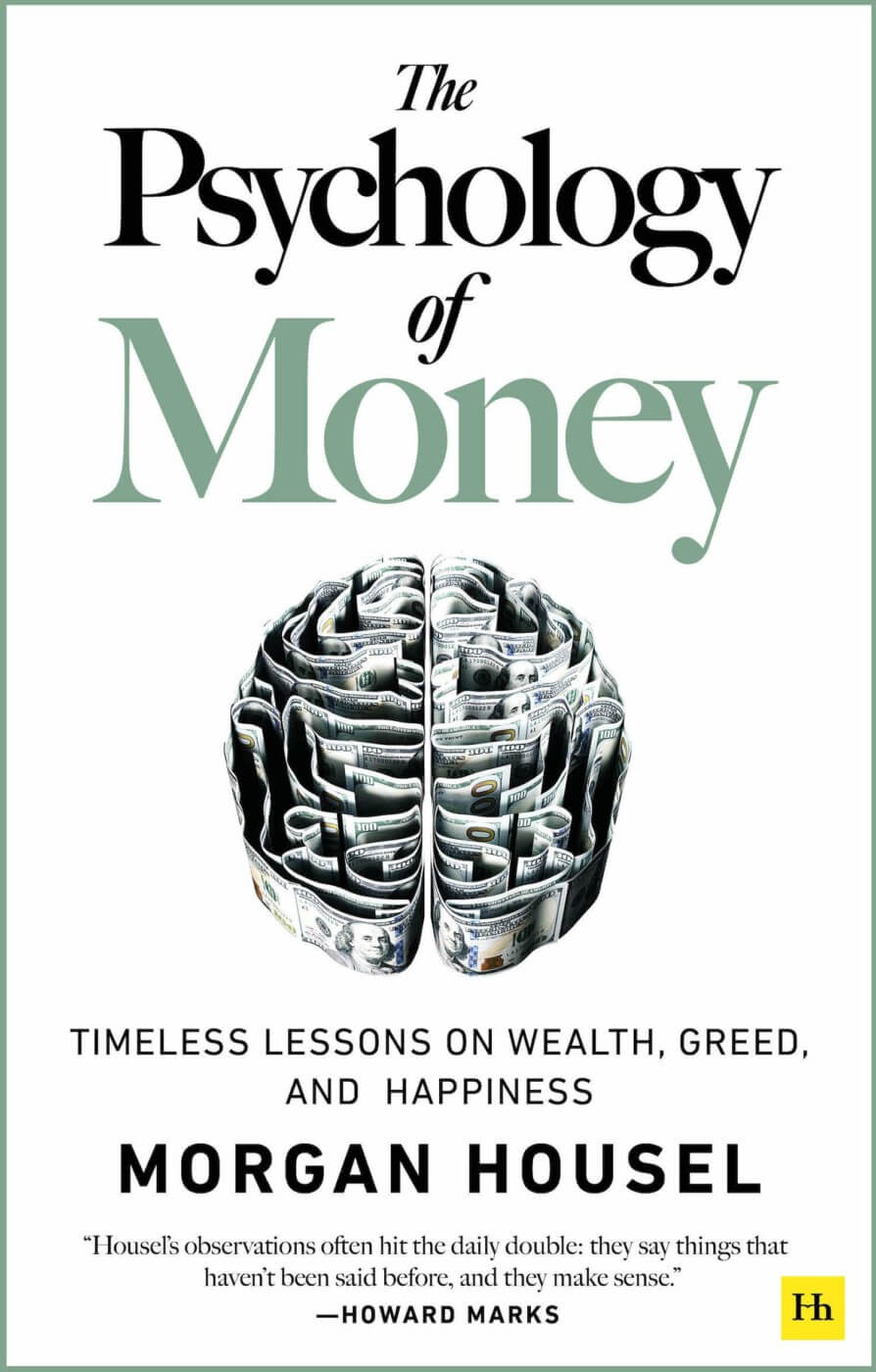 A very powerful truths about cash are additionally probably the most counterintuitive. This is the reason The Psychology of Cash by Morgan Housel is such an essential guide.
No person spends their cash rationally. We’re horrible at assessing danger. Monetary safety solely exists in case you have extra, and being wealthy and being rich are full contradictions of one another.
Do any of this stuff make sense? No? Nicely, learn the guide and so they fucking will.
These are just some of the mind-bending concepts that The Psychology of Cash will unpretzel to your mind. The guide is a captivating romp by means of all of the fucked up methods our minds mishandle cash, each actually and figuratively.
It’s a must-read for anybody who needs to get wealthy and or die making an attempt.
19. Outlive by Peter Attia, M.D.
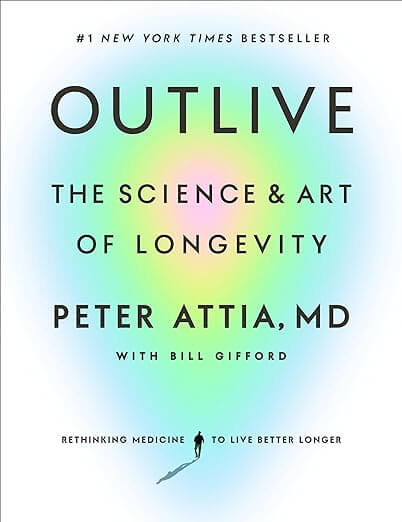 In case you’re studying this, it’s very probably you’re gonna die of considered one of 4 issues: coronary heart illness, most cancers, Alzheimer’s, or diabetes.
Additionally, it simply occurs that each one 4 of those persistent sicknesses develop very slowly over a protracted time period.
Peter Attia makes the argument that these 4 horsemen are so lethal as a result of our present medical system will not be designed to handle or forestall persistent ailments, however somewhat to deal with acute ailments after they’ve already occurred.
Outlive is principally a information to that prevention, and this guide will in all probability be the present that I give each single individual on their fortieth birthday for a protracted, very long time.
20. Stumbling on Happiness by Dan Gilbert
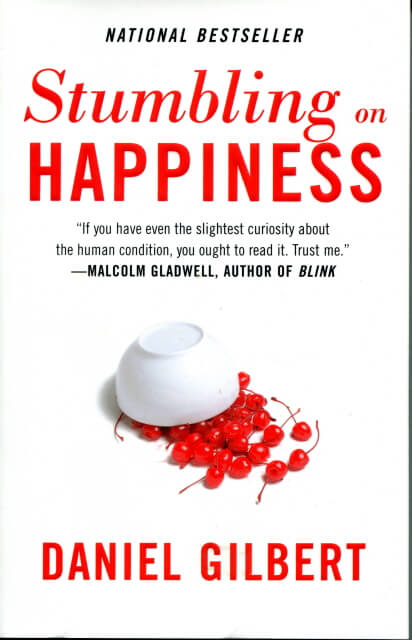 That is my private favourite guide about happiness, and belief me, I’ve learn just about each guide on happiness.
Dan Gilbert is a psychologist from Harvard, and in his guide he argues that happiness doesn’t perform the way in which we assume it does.
Happiness isn’t one thing you achieve or lose based mostly on exterior occasions in your life. Reasonably, your thoughts will alter the way it perceives exterior occasions to take care of a constant modest degree of happiness.
Put merely, everyone seems to be barely delusional in regards to the previous and the long run, and this delusion exists to take care of a point of satisfaction in our lives.
Gilbert calls this the “psychological immune system,” and argues that people who find themselves depressing, it’s as a result of their psychological immune techniques are failing as a result of some type of dysfunctional perception or excessive adverse occasion.
21. Considering in Bets by Annie Duke
 Skilled poker participant Annie Duke makes use of her background in poker as a strategy to educate efficient decision-making. And that’s, don’t consider choices when it comes to all or nothing, sure or no, success or failure—consider choices when it comes to possibilities.
Mainly, envision your choices in life as a bunch of bets, little mini experiments designed to see how a lot you get again for what you make investments.
I’ve personally discovered pondering when it comes to chance and making choices based mostly on anticipated returns to be one of the crucial sensible and helpful expertise I’ve ever developed in my life, and never simply on the poker desk.
22. Mindset by Carol Dweck, Ph.D.
 Dweck is a psychologist at Stanford, and she or he discovered that individuals who imagine they’ll change and get higher are those who have a tendency to vary and get higher.
And individuals who imagine that they’ll by no means change, and that they’re simply screwed, properly, shock, they don’t change, and so they spend their lives feeling screwed.
Dweck referred to as these two tendencies a development mindset and a hard and fast mindset.
And guess what, motherfucker? You need to have a development mindset.
23. Considering, Quick and Gradual by Daniel Kahneman
 Daniel Kahneman gained a Nobel Prize for his life’s work, and this guide summarizes all of it.
Mainly, our thoughts has two techniques: system one and system two.
System one is extraordinarily quick, intuitive, and unconscious. System two is sluggish, methodical, and extremely conscious.
System one is nice to generate fast responses in advanced conditions. It’s what we frequently consider as our intestine intuition. System one tends to do properly in social or emotional conditions or predicting outcomes of extremely advanced circumstances.
System two is nice while you want thoroughness and accuracy. You wouldn’t need to construct a rocket or a nuclear plant based mostly in your intestine intuition. You construct it based mostly on sluggish, methodical system-two pondering.
Kahneman argues that a lot of our private and social issues come up after we misuse our two techniques and mistakenly use one as a substitute of the opposite. Typically we attempt to overanalyze our emotional issues or really feel our manner by means of tough analytical issues.
Being conscious of our techniques and what they’re good for may help us strategy life in a extra harmonious manner.
24. On the Family tree of Morals by Friedrich Nietzsche
 Based on Nietzsche, there are two conflicting ethical impulses inside us all.
The primary is meritocratic—the spoils ought to go to the victor. In case you’re smarter, stronger, sooner, extra intelligent, extra highly effective, you deserve the rewards of your effort and ingenuity. Nietzsche referred to as this grasp morality.
The second perception system is that we should always look after the weak, alleviate folks’s struggling, assist the unlucky, and provides particular consideration and care to those that want it most. Nietzsche referred to as this slave morality.
Grasp and slave morality have been in an everlasting battle—each between societies but in addition inside societies—for many of human historical past. Wars have been fought over it, religions have been based and destroyed due to it, and the modern-day political left and proper are the legacies of the impulses in direction of grasp and slave morality inside us all.
Every has its advantages to society and every is critical, however when unchecked by the opposite, each have the seeds of tyranny and downfall.
25. Zen Thoughts, Newbie’s Thoughts by Shunryu Suzuki
 This guide is, in my view, the very best introduction to Buddhist apply and severe meditation which you can come throughout as a Westerner.
By way of a sequence of bite-sized chapters based mostly on his outdated lectures, Suzuki takes you step-by-step by means of every of the profound realizations that Buddhist thought can lead you to.
As an illustration, that there’s a separation between the pondering thoughts and the observing thoughts. Positive, you’ve got ideas, however who’s it in your thoughts that’s conscious that you’ve got ideas? Or non-dual consciousness, the concept that the separation between something is totally subjective and self-invented. Or the acceptance of the current second as the one means to alleviate struggling.
In case you are one of many many Westerners who’s inquisitive about Buddhism, this is a superb place to begin to start your apply.
26. The Higher Angels of Our Nature by Steven Pinker
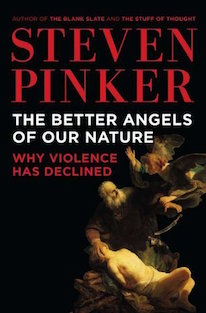 In The Higher Angels of Our Nature, Pinker has painstakingly mapped by means of each knowledge and anecdotal accounts the speedy decline in violence internationally these previous few centuries.
The extent of barbarism that we discover appalling right now was not solely commonplace a number of hundred years in the past, however in some ways, it was even celebrated.
After clubbing us over the top with knowledge for 5 hundred pages, Pinker then spends the remainder of the guide theorizing why the world is changing into extra peaceable and nonviolent.
His concepts vary from literacy rising folks’s capability for empathy to know-how making folks extra snug and safe, to a extra interconnected society requiring extra folks to depend on each other.
It’s a captivating learn from begin to end. It completely modified my view of the world.
27. Worry and Trembling by Soren Kierkegaard
 The Danish thinker makes use of a biblical story of Abraham and Isaac as an example a deep psychological fact.
And that’s that, in the end, to provide our lives any sense of that means and psychological stability, we should select to imagine sure issues matter greater than ourselves. And this alternative requires what he calls a leap of religion.
Whether or not it’s a faith, a household, a relationship, or a profession mission, all of us should select, in some unspecified time in the future, to provide our lives over to one thing. And the terrifying factor is that we should do that with out understanding if it’s the precise factor or not. That is the place religion is available in.
It’s not that it is a secular guide with a non secular instance, it’s extra that this guide reveals you that nothing is absolutely secular, and all commitments are in the end non secular to a point or one other.
28. Deep Work by Cal Newport
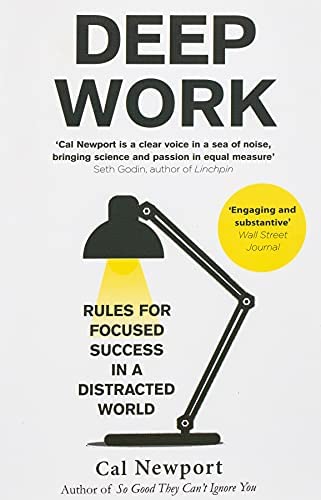 Some work can survive distraction and task-switching, however some work, notably inventive work or actually onerous problem-solving, is drastically harmed by each.
The issue, Newport argues, is that within the trendy world of the web and social media, we’re more and more being swamped in distractions and task-switching.
Newport says that people who find themselves capable of defend their consideration and have interaction what he calls “deep work” may have an enormous leg up within the twenty first century. He then provides you methods to combine deep work into your life—like establishing routines, time-blocking, limiting publicity to social media, and extra.
29. The Energy of Now by Eckhart Tolle
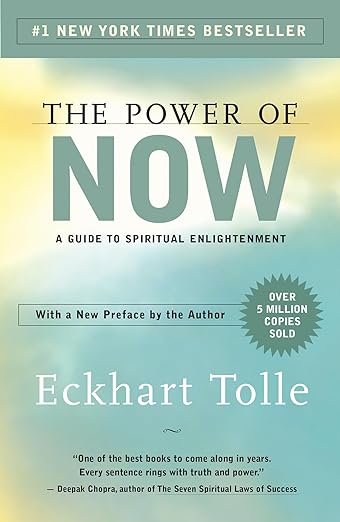 The self-help basic from twenty years in the past, The Energy of Now argues that the majority of our struggling happens as a result of we’re fixated on the previous or worrying about imaginary futures.
Tolle teaches us to grow to be current in a basic meditative sense, and it seems as soon as we grow to be good at remaining current, most of our worries, anxieties, and considerations soften away, as a result of we acknowledge them for what they all the time have been—fucking imaginary.
30. The Clean Slate by Steven Pinker
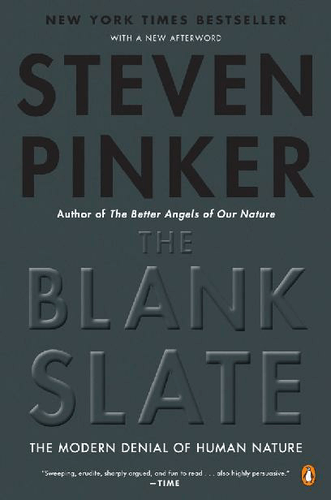 There’s a persistent thought all through historical past that persons are born good and harmless, and that any dysfunction they exhibit later in life is attributable to some type of trauma or injustice.
This idea of the clean slate is seductive and has transformed a lot of historical past’s biggest thinkers, from John Locke to Karl Marx. However sadly, right now, we all know conclusively that it’s merely not true.
A large amount of individuals’s personalities, tendencies, beliefs, and dysfunctions are genetically-driven. Pinker breaks down the analysis exhibiting that is true, however he additionally reveals the dramatic, political implications of this.
An essential guide for understanding human nature and coming to phrases with our prejudices.
31. Fooled by Randomness by Nassim Nicholas Taleb
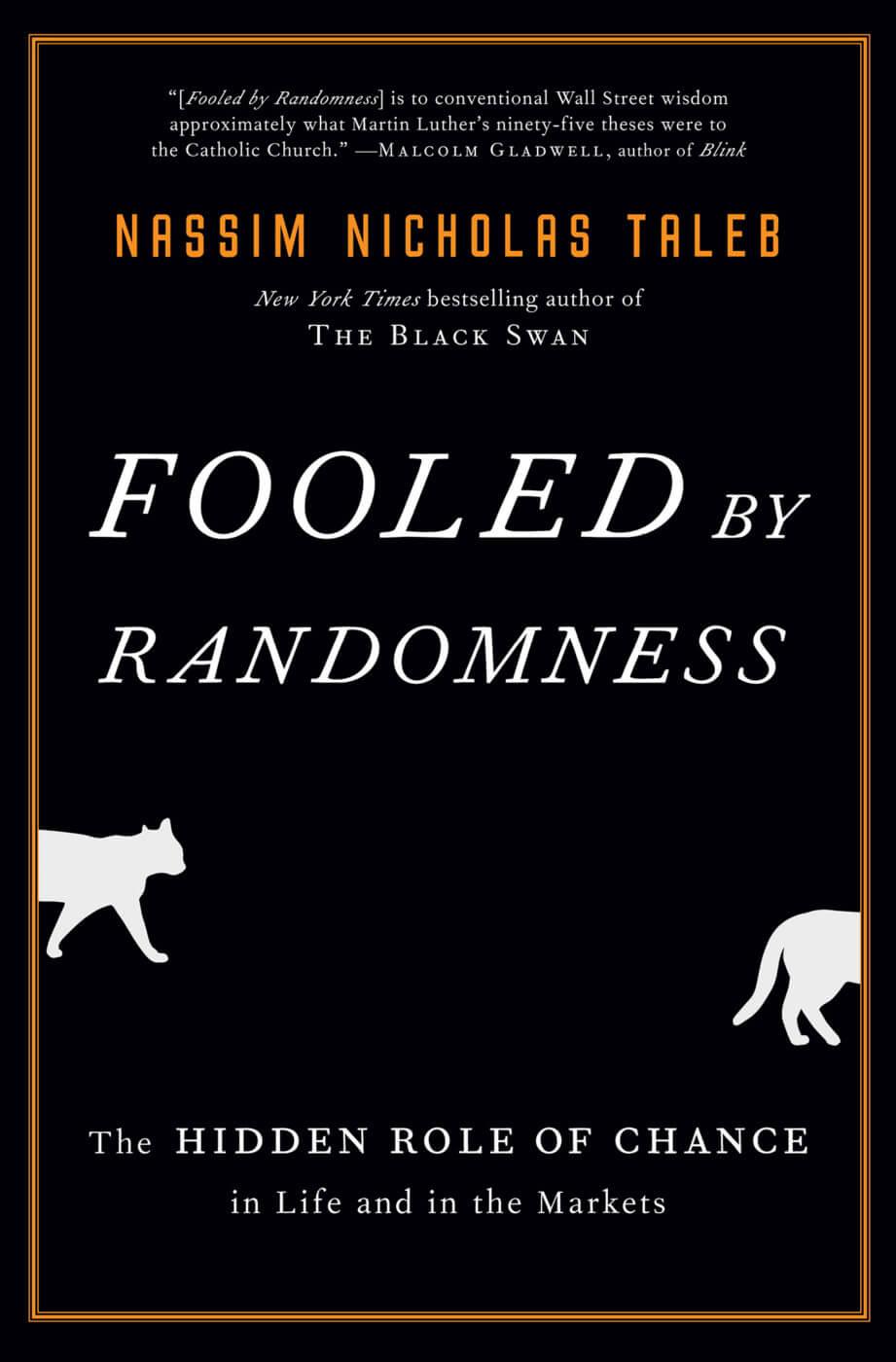 The world is a chaotic mess and we’re surrounded by randomness and unpredictability, but we don’t like admitting that to ourselves.
So we discover patterns in randomness and inform ourselves tales that justify our actions and behaviors. And inevitably, these tales make us appear like a superb hero.
The guide is stuffed with amusing anecdotes and tales, each fictional and actual, of people that have been fooled by randomness and managed to persuade themselves they knew what they have been doing in a totally chaotic and fucked up world.
32. The Seven Rules for Making Marriage Work by John M. Gottman, Ph.D.
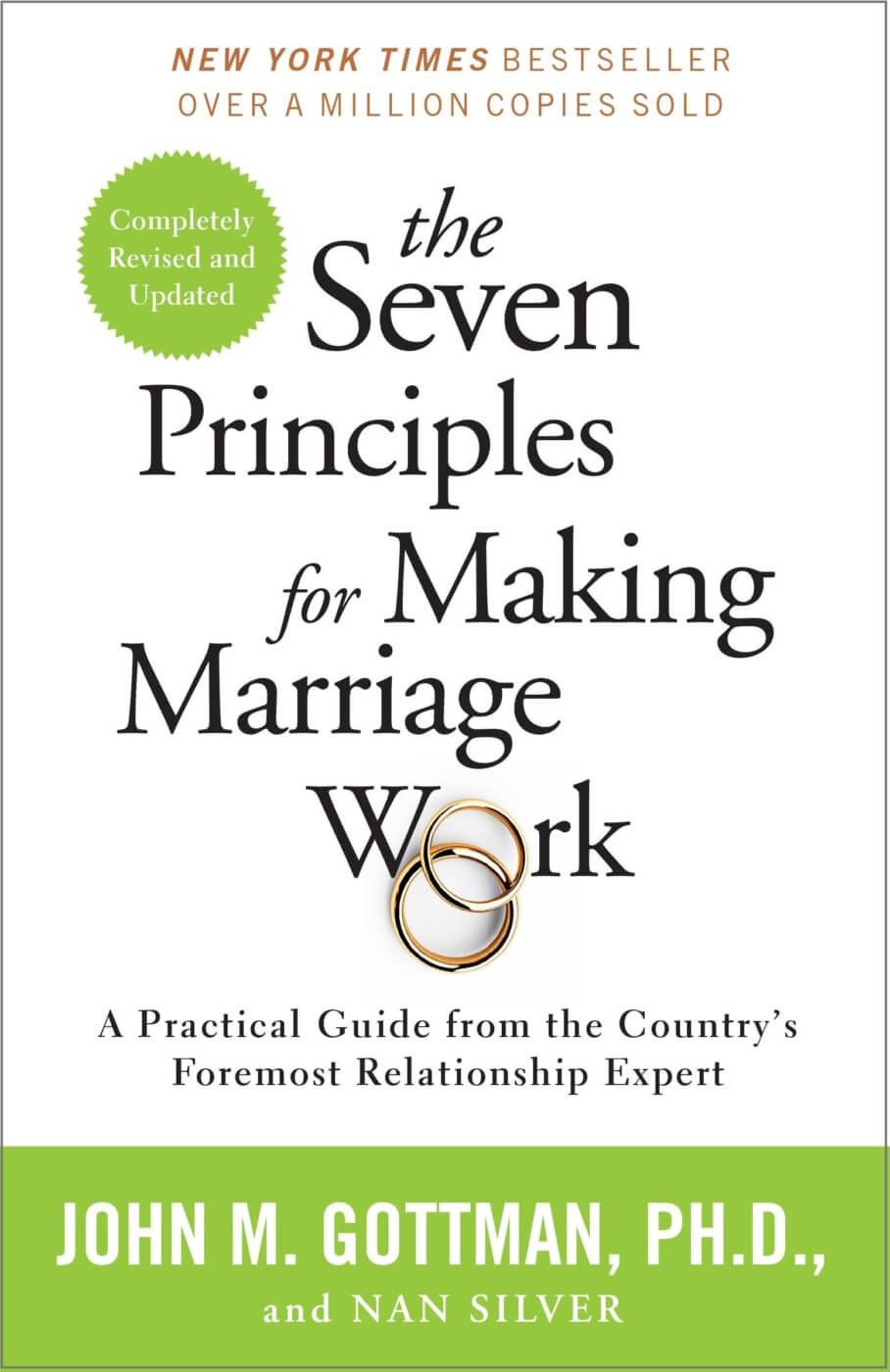 John Gottman is the preeminent relationship researcher on the earth on what makes relationships work, and what makes them fail catastrophically.
And on this guide, he uncovers a variety of counterintuitive findings.
For instance, do you know the happiest {couples} don’t resolve all their issues, or that compromise isn’t all the time the reply, or that preventing is typically type of wholesome, or that probably the most predictive a part of your relationship isn’t what you talk, however somewhat how it’s communicated?
Yeah, I didn’t know that shit both till I learn this guide.
33. The Refined Artwork of Not Giving a F*ck by Mark Manson
 Clearly written by a self-absorbed jackass, this juvenile piece of pseudo-philosophy argues that, within the age of knowledge abundance, all of us face an existential disaster of selecting what issues.
The creator goes on to argue that sacrifice is a needed part of happiness, and that failure and embarrassment are literally wholesome experiences that we should always all embrace.
It’s offered like 15 million copies, so clearly folks give manner too many fucks. However the creator is extraordinarily good-looking, so I’ve to advocate you purchase it.
Searching for Extra Books to Learn?
I’ve put collectively an inventory of over 200 “greatest books” organized by style, in addition to my all-time beneficial studying record that features the guide(s) I’m studying every month. Test them out.
🔥 Trending Offers You Might Like
Searching for nice offers? Discover our newest discounted merchandise:





One Comment